die casting parts manufactured
The creation of die casting parts is a sophisticated manufacturing process that transforms molten metal into intricately shaped components with remarkable precision and efficiency. At its core, the method involves forcing molten metal under high pressure into a reusable steel mold, known as a die. This process is favored for its ability to produce high volumes of parts with excellent surface finish and dimensional accuracy, making it a cornerstone of modern industrial production. Understanding the steps involved in their manufacture provides insight into the quality and consistency of these essential components.
The journey begins with the design and fabrication of the die itself. These dies, typically made from hardened steel, are precisely machined to form the cavity that replicates the desired part’s geometry. A crucial aspect of die design involves incorporating features like sprues (channels for molten metal entry), runners (distributing molten metal to cavities), and gates (connecting runners to cavities), along with vents for air evacuation and ejector pins for part removal. The quality and longevity of the die directly impact the final die casting parts, so meticulous engineering is paramount at this stage.
Once the die is ready and mounted onto the die casting machine, the casting process commences. Molten metal, typically alloys of aluminum, zinc, or magnesium, is heated to its specific casting temperature in a furnace. The molten metal is then transferred to a shot chamber. In a cold chamber machine, the molten metal is ladled into the chamber, while in a hot chamber machine, the chamber is submerged in the molten metal. A powerful plunger then rapidly injects the molten metal into the die cavity under immense pressure, ensuring that it fills every intricate detail.
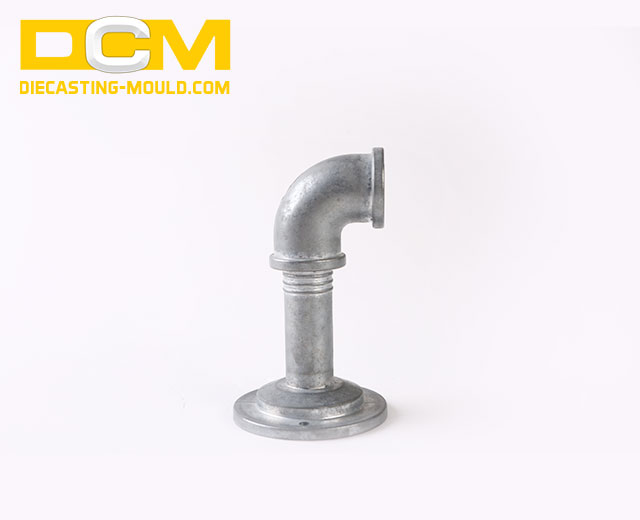
How are die casting parts manufactured?
For specialized applications, such as an oem die casting alloy led solar lamp shade, the manufacturing process requires particular attention to material selection and thermal management. The chosen alloy must not only offer structural integrity but also efficient heat dissipation to prolong the life of the LED components. During the injection phase, precise control over temperature and pressure is critical to achieve the thin walls and complex internal structures necessary for optimal performance of such die casting parts, ensuring both durability outdoors and effective light distribution.
After the molten metal solidifies within the die, which occurs rapidly due to the die’s cooling system, the die halves are opened, and ejector pins push the newly formed die casting part out. The part then undergoes a trimming process to remove excess metal from the sprues, runners, and flash (thin metal extending along the parting line of the die). Depending on the application, further post-processing steps may include machining, heat treatment, surface finishing (like powder coating or plating), and assembly, all aimed at enhancing the part’s functionality and aesthetics.
In summary, the manufacturing of die casting parts is a high-precision, high-volume process driven by sophisticated machinery and meticulous engineering. From the initial die design to the final finishing touches, each step is critical in producing components that meet stringent quality standards. This intricate process ensures that industries worldwide can rely on consistent, durable, and precisely shaped die casting parts for their diverse and demanding applications.