The automotive industry is becoming increasingly competitive, with customers researching vehicles online, comparing prices, and expecting personalized buying experiences. Automotive dealers must manage inquiries, schedule test drives, follow up with potential buyers, and maintain relationships with existing customers. Handling these activities manually can lead to missed opportunities and inconsistent communication.
This is why CRM software for automotive dealers has become an important solution for improving sales performance and customer satisfaction. By centralizing customer information, automating follow-ups, and organizing sales activities, CRM software helps dealerships streamline daily operations and build stronger relationships with buyers.
What Is CRM Software for Automotive Dealers?
CRM software for automotive dealers is a digital platform designed to manage customer interactions throughout the vehicle buying and ownership journey. It helps dealerships capture leads, track sales opportunities, schedule appointments, and maintain detailed customer records.
For example, when a customer submits an online inquiry about a new car, the CRM can record the inquiry, assign it to a sales representative, and schedule a follow-up call. The representative can then record the customer’s budget, preferred model, financing interests, and test-drive requirements.
This organized approach enables dealerships to provide personalized assistance while reducing the chances of losing potential buyers.
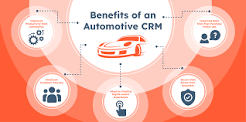
Key Benefits of CRM Software for Automotive Dealerships
1. Efficient Lead Management
Automotive dealers receive inquiries through websites, social media, online vehicle marketplaces, phone calls, and showroom visits. Managing these leads across different platforms can become difficult without a centralized system.
CRM software collects and organizes customer inquiries in one place. Sales teams can categorize prospects according to their vehicle preferences, budgets, and purchasing timelines. This makes it easier to prioritize interested buyers and respond promptly.
Effective lead management helps dealerships improve sales opportunities and create a more organized customer acquisition process.
2. Automated Follow-Ups and Test Drive Scheduling
Customers often compare multiple vehicles before making a final decision. Regular follow-ups help dealerships remain connected with interested buyers throughout this process.
CRM software allows sales representatives to schedule calls, set reminders, and automate follow-up messages. It can also help coordinate test-drive appointments and send confirmations through supported communication channels.
These features reduce manual work and ensure that potential buyers receive timely information about vehicles, offers, and dealership services.
3. Personalized Customer Experiences
Every automotive customer has different preferences, including vehicle type, brand, price range, fuel options, and desired features. CRM software helps dealerships store these details and recommend suitable vehicles.
For example, a customer interested in a family SUV can receive information about relevant models, safety features, available variants, and financing options.
Personalized communication makes the buying journey more convenient and helps sales representatives build customer trust.
4. Improved Customer Retention and After-Sales Service
Customer relationships do not end when a vehicle is sold. Maintenance reminders, service appointments, warranty information, and future vehicle upgrades create opportunities for continued engagement.
A CRM system helps dealerships maintain customer records and schedule follow-ups for routine servicing, customer feedback, and renewal-related discussions. When integrated with dealership service management software, it can also help teams coordinate after-sales communication.
Consistent engagement encourages repeat business and can generate valuable customer referrals.
5. Better Sales Performance Tracking
Dealership managers need accurate information to understand sales performance and identify areas for improvement.
CRM software provides reports on lead sources, follow-up activities, test-drive bookings, conversion rates, and sales representative performance. These insights help managers identify successful marketing channels and determine where additional training or attention may be required.
Using reliable data, dealerships can improve sales strategies and allocate resources more effectively.
Essential Features to Look for in Automotive CRM Software
When selecting CRM software, automotive dealers should consider features that match their sales and service requirements.
- Lead management: Captures and organizes inquiries from multiple channels.
- Customer database: Stores buyer preferences, contact information, and purchase history.
- Inventory integration: Connects customer inquiries with available vehicles when supported.
- Test-drive scheduling: Helps organize appointments and follow-up activities.
- Communication automation: Supports reminders, confirmations, and personalized messages.
- Sales pipeline tracking: Monitors prospects from initial inquiry to completed purchase.
- After-sales management: Helps organize service reminders and customer engagement.
- Reports and analytics: Tracks sales trends, conversion rates, and team performance.
Choosing the right combination of features can help dealerships create a more connected and efficient sales process.
How to Choose the Right CRM for Your Dealership
Before investing in CRM software, evaluate your dealership’s size, sales volume, customer communication needs, and existing systems. Smaller dealerships may prioritize affordable lead management and appointment scheduling, while large automotive groups may need multi-location reporting, advanced automation, and integrations with inventory or dealer management systems.
Consider pricing, ease of use, scalability, mobile accessibility, technical support, and data security. Requesting a demonstration or free trial can help you determine whether the platform fits your team’s daily workflow.
Conclusion
CRM software for automotive dealers provides an effective way to manage leads, streamline sales activities, personalize customer communication, and strengthen after-sales relationships. By centralizing customer information and automating repetitive tasks, dealerships can improve productivity and deliver a better vehicle buying experience.
Investing in the right automotive CRM solution can help car dealers increase sales opportunities, encourage customer loyalty, and build a strong foundation for sustainable business growth in the evolving automotive market.