Sanitary ware has become an important part of modern residential, commercial, hospitality, and institutional spaces. Products such as wash basins, toilets, bidets, urinals, and other bathroom fixtures combine functionality with hygiene, comfort, and visual appeal. As construction and interior design trends continue to evolve, sanitary ware manufacturers are focusing on producing products that offer durability, efficient water usage, attractive designs, and dependable performance.
What Is Sanitary Ware?
Sanitary ware refers to bathroom and washroom fixtures generally manufactured from ceramic materials and designed for hygiene-related applications. Vitreous china and other specialized ceramic materials are commonly used because they can provide a smooth, durable, and easy-to-clean surface.
Modern sanitary ware is available in a wide range of shapes, sizes, colors, and designs. This variety allows homeowners, architects, builders, hotels, offices, and commercial developers to select products that complement different interior styles and functional requirements.
Role of Sanitary Ware Manufacturers
Sanitary ware manufacturers are responsible for transforming carefully selected raw materials into finished bathroom products through controlled manufacturing processes. Production may involve material preparation, molding, drying, glazing, firing, inspection, and finishing.
Quality manufacturing is important because sanitary products need to withstand regular use, moisture, cleaning agents, and temperature variations. Manufacturers therefore pay close attention to dimensions, surface finish, structural strength, glazing quality, and overall appearance.
Advanced production facilities can also support innovative product designs and improved manufacturing consistency. This enables manufacturers to meet the changing requirements of both domestic and international markets.
Popular Sanitary Ware Products
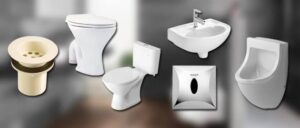
The sanitary ware industry offers a diverse selection of products. Toilets are available in different configurations, including floor-mounted and wall-mounted designs. Wash basins come in countertop, pedestal, wall-mounted, under-counter, and other styles.
Urinals and bidets are also widely used in commercial and residential washrooms. Some manufacturers additionally offer coordinated bathroom collections in which multiple products share complementary shapes and finishes.
The choice of product depends on factors such as available space, installation requirements, design preferences, maintenance needs, and project budget.
Importance of Quality
Quality is one of the most important factors when selecting sanitary ware. Well-manufactured products should have smooth surfaces, consistent glazing, accurate dimensions, and sufficient structural strength.
A high-quality glazed surface can make cleaning easier and help maintain the product’s appearance over time. Reliable manufacturing also helps ensure proper installation and compatibility with plumbing systems.
For large construction projects, consistency is especially important because multiple fixtures may need to match in size, shape, color, and finish.
Focus on Water Efficiency
Water conservation has become an increasingly important consideration in modern bathroom design. Sanitary ware manufacturers are developing products and systems designed to support efficient water usage without compromising everyday functionality.
Water-efficient toilets and compatible flushing systems can help reduce unnecessary consumption. Similarly, thoughtfully designed bathroom fixtures can contribute to more sustainable building practices.
For residential developments, hotels, offices, and commercial facilities, selecting water-efficient sanitary ware can support long-term resource management and potentially reduce operating expenses.
Choosing the Right Manufacturer
When selecting sanitary ware manufacturers, buyers should evaluate product quality, manufacturing capabilities, design options, technical specifications, quality-control procedures, and after-sales support.
For large projects, production capacity and supply consistency are also important. Manufacturers should be able to deliver products according to agreed specifications and schedules.
Buyers should also consider whether the manufacturer offers customization, private-label solutions, special finishes, or products designed for specific project requirements. Clear product documentation can make selection and installation easier.
Sanitary Ware for Modern Interiors
Today’s bathrooms are increasingly viewed as important elements of overall interior design. As a result, sanitary ware is no longer selected only for basic functionality. Contemporary products can contribute to clean aesthetics, space optimization, and a cohesive design theme.
Minimalist shapes, sleek profiles, contemporary finishes, and compact configurations are popular choices for modern residential and commercial projects. Manufacturers continue to introduce new designs to meet these evolving preferences.
Conclusion
Sanitary ware combines hygiene, functionality, durability, and design to create practical and attractive bathroom environments. From toilets and wash basins to urinals and bidets, these products are essential across residential, commercial, hospitality, and institutional applications.
Choosing experienced sanitary ware manufacturers can help buyers access reliable products with consistent quality, modern designs, and suitable technical specifications. By considering durability, water efficiency, aesthetics, manufacturing standards, and project requirements, customers can select sanitary ware that delivers lasting performance and value.